Best Money Tools in 2026
Day-to-day personal finance — budgeting, expense tracking, savings goals and shared costs. Markets live in Investing, financial products in Fintech. Browse 59 money tools from indie makers and solo founders, ranked by upvotes.










Sumio: Net Worth Tracker
Keep track of your net worth privately and effortlessly
96impressions




That’s every product in this category, ranked. See the latest launches, or submit your own product.
In numbers · State of Indie, November 2026
Compare every category- can be used for free (free or freemium)
- 89%
- can be used for free (free or freemium)
- present themselves as AI products
- 11%
- present themselves as AI products
- ship on Web
- 86%
- ship on Web
- have five or more look-alikes
- 33%
- have five or more look-alikes
About money tools
Money tools on Awesome Indie cover personal finance in the everyday sense: budgeting, expense tracking, net worth, savings goals and splitting costs with other people. They are made for individuals, couples and households rather than for businesses. If a product is about markets and portfolios it belongs more naturally with investing, and products that sell financial services or move money between parties are usually listed under fintech or payments. Analytics and privacy overlap here more than you might expect, because finance apps hold sensitive data.
The biggest difference between these apps is how they get your numbers. Some connect to a bank, which is convenient but means sharing credentials or access with a third party. Others rely on manual entry, which takes more effort but keeps everything under your control. Check whether the data lives on your device or on a server, whether you can export it, and what the pricing looks like over a year rather than a month. Tools like TotalFigures, described as a privacy-focused net worth tracker, and Budg, a personal financial assistant for your pocket, show two approaches to the same problem.
An indie-built finance tool is worth a look when you want something narrow and honest about what it does. Small teams tend to focus on one workflow, and you can often ask the maker directly how your data is handled.
Frequently asked questions
What should I look for in a budgeting or expense tracking app?
Decide first whether you want automatic bank syncing or manual entry. Then check where your data is stored, whether you can export it, which currencies it supports and what it costs over a full year. A simple app you keep using beats a powerful one you abandon.
How is this category different from fintech and investing?
Money is about managing your own day-to-day finances: budgets, spending, savings and shared costs. Investing deals with markets and portfolios, and fintech covers products that provide financial services or infrastructure. Some tools straddle the line, which is why a product can appear in more than one.
Is it safe to put my financial data into a small indie app?
It can be, but check before you commit. Look for a clear privacy policy, local or encrypted storage, an export option and a way to delete your account. Apps that work without a bank connection reduce the risk further, since they never hold your login details.
Categories
Browse allToday's product launches
See all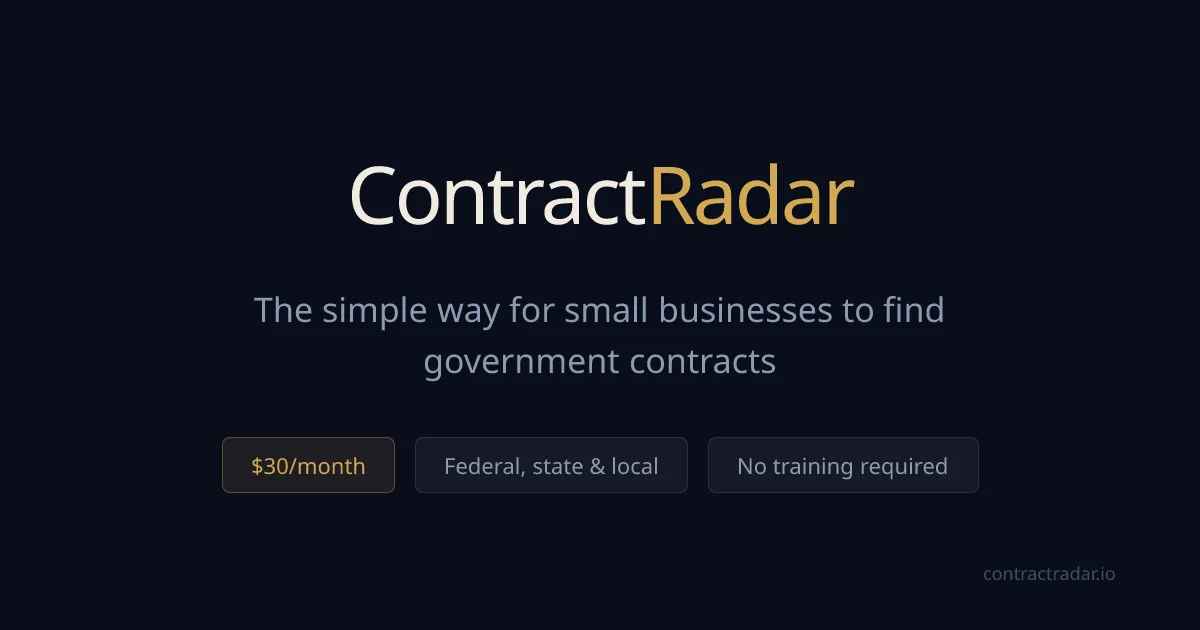
ContractRadar
Government contract search & alerts for small businesses.
0comments2upvotes62impressions

JobTwine
AI-Powered Recruiting & Interview Platform
0comments2upvotes55impressions

VelaPDF
Smart PDF Tools, Simplified.
0comments2upvotes49impressions

Tabernacle Technologies
Tabernacle - Church Management Software
1comment1upvote22impressions

List Bulb
Discover AI , SaaS, and startups in one curated platform.
1comment1upvote19impressions

SocialKit
Turn your team into LinkedIn influencers for your brand
1comment1upvote14impressions

Easy Subscriptions App
Shopify Subscription App for Growing Brands
0comments0upvotes39impressions

Queens Game
Queens Game
0comments0upvotes30impressions

Seevido AI
Turn Your Ideas into Stunning Videos Instantly with Seevido AI
0comments0upvotes30impressions

MentionDrop
Every Mention of Your Brand and your competitors.
0comments0upvotes12impressions
Top products · 7 days

FocusRead
The Chrome Reader Mode Extension That Just Works
0comments9upvotes407impressions
Image to Layers AI
Separate images into independent layers with AI
0comments8upvotes502impressions
Collio
AI Coworker That Delivers Finished Work, Not Just Instructions
0comments6upvotes581impressions
Top products · 30 days
FocusRead
The Chrome Reader Mode Extension That Just Works
0comments9upvotes407impressionsImage to Layers AI
Separate images into independent layers with AI
0comments8upvotes502impressions
AfterLid
Keep your Mac working. Check in from your phone.
1comment6upvotes504impressions
Who to follow
See all- Kevin Peters

15 followers
- Johnathan Bailey

14 followers
- Rafik Zoghlami

14 followers
- Rukmanganda Kandyala

10 followers
- Almab Khan

9 followers
- Somia Sen
7 followers
Latest product comments
See allHi, I'm the maker of PixelKaro. I built it because students and job seekers in India keep getting stuck on forms that ask for a photo under 50 KB or a signature at an exact size. Everything runs in your browser, so your files are never uploaded, and it works in English and Hindi. It's free with no sign-up. If a tool is missing or an exact size doesn't work for your form, tell me and I'll look into it.
onPixelKaro2likes
I really enjoyed the characters and the ability to create your own makes the app feel more personal
onAfterLid1like

Awesome Indie
Free on iPhone and Android
Today's launches, in your pocket
Upvote, comment and follow with the account you already have.